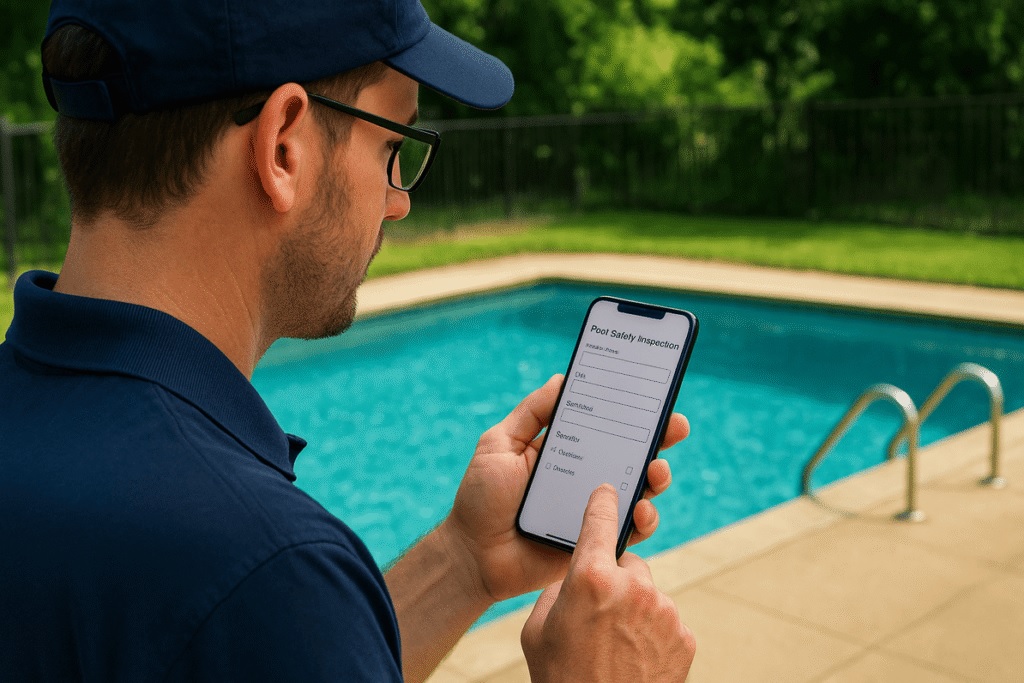
A backyard pool is part of summer life across New South Wales, and it also carries real risk. Over time, pool barriers wear down, gates drop out of alignment and garden beds creep closer to fences. Small changes like these can give a young child a way to reach the water.
Regular pool safety inspections in NSW help you find these problems before they cause harm. An inspection checks your barrier, gate, signage and surrounds against the standards set out in state law. You then get a clear list of what works and what needs fixing.
Many homeowners only think about pool safety inspections in NSW when they sell or lease a property. Treat inspections as routine maintenance instead. Checking compliance regularly protects your family, your visitors and your legal position.
Know the Legal Requirements
The Swimming Pools Act 1992 and the Swimming Pools Regulation 2018 set the rules for residential pools and spas in NSW. Pool owners must:
- Register the pool on the NSW Swimming Pool Register
- Keep a compliant child-resistant barrier around the pool
- Display an approved CPR sign near the pool
- Hold a valid certificate of compliance before selling or leasing the property
Barriers must meet the relevant Australian Standard. In general, fences must be at least 1.2 metres high, and gates must self-close and self-latch from any open position. Councils can inspect pools, issue penalty notices and direct owners to fix faults. Failing to register a pool can also attract a fine.
A certificate of compliance is valid for three years. However, your yard can change in that time. A pool that passed three years ago may not pass today.
Prevent Drowning
Drowning is a leading cause of accidental death for Australian children under five. Home swimming pools account for a large share of these deaths. Most incidents happen when a child gets into the pool area without an adult noticing, and it can take only seconds.
A compliant barrier is your strongest line of defence. Inspections test the details that matter most:
- Gaps under the fence or between panels
- Gate hinges and latches that stick or fail
- Climbable objects within the non-climbable zone, such as pot plants, chairs, barbecues and tree branches
- Damaged or rusted fence posts
- Doors or windows that open directly into the pool area
Any one of these faults can make a barrier unsafe. An inspector spots problems that are easy to miss when you see the same fence every day.
Take Responsibility as a Homeowner
As a pool owner, you must keep the barrier compliant at all times. This duty applies all year, not only during summer. Adult supervision remains essential, and a sound barrier gives backup protection if supervision lapses.
Build a simple routine:
- Check that the gate closes and latches every time you use the pool
- Move climbable items away from the fence each week
- Trim trees and shrubs near the barrier
- Replace a faded or damaged CPR sign
- Book a professional inspection every few years or after any changes to your yard
Keep records of repairs and inspection reports. These show you have taken reasonable steps to keep the pool safe.
Make Safety Routine
Regular inspections cost little compared with the harm a non-compliant pool can cause. They keep you within the law and reduce the risk of a tragedy. Contact your local council or a registered certifier to arrange an inspection, and fix any faults without delay.