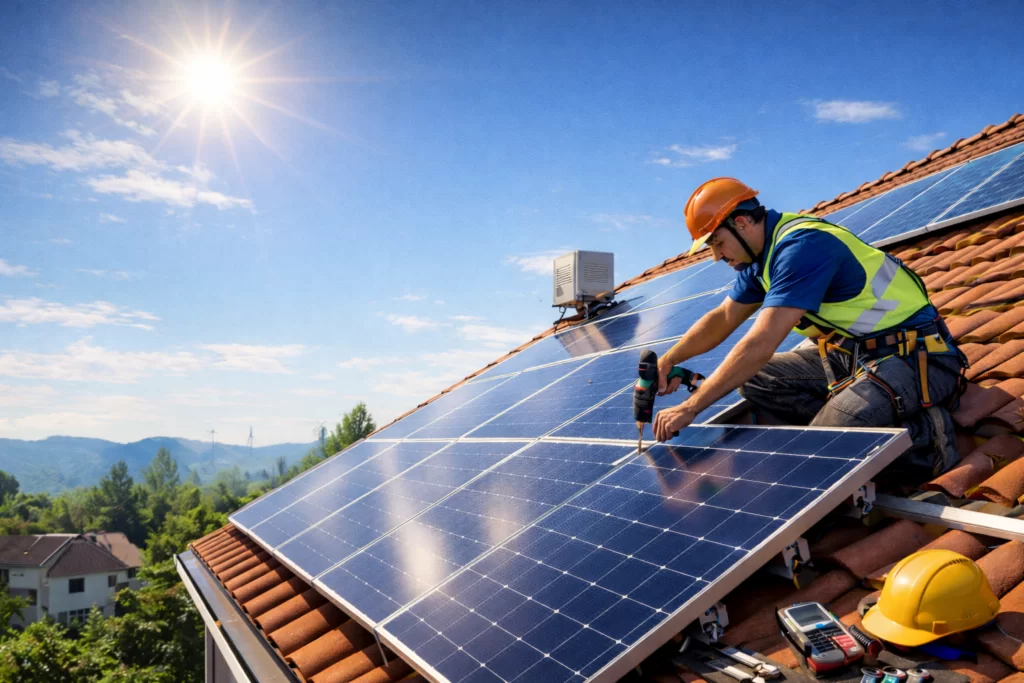
Electricity bills in Thailand climb fast during the hot season, when air conditioners run almost nonstop from March to May. Rooftop solar offers a practical way to cut those costs, and more Thai households now treat it as a standard home upgrade. The hard part is picking the right installer.
A search for solar installation companies in Bangkok, Chiang Mai or Hat Yai will return dozens of results. Prices, equipment and service quality vary widely. A poor installation can lead to roof leaks, rejected grid applications and panels that underperform for 25 years.
This guide explains how to compare local solar installation companies using clear, practical checks. Use it before you sign any contract.
Confirm Licences and Engineering Credentials
Thai regulations require a licensed engineer to certify that your roof can carry the extra load. Ask each installer for the engineer’s licence number from the Council of Engineers and verify it. Also confirm the company is a registered business with a physical office in your province. A local base means faster service when problems appear.
Ask Who Handles the Paperwork
Grid-connected systems need approval from the Metropolitan Electricity Authority in Bangkok, Nonthaburi and Samut Prakan, or the Provincial Electricity Authority elsewhere. You may also need to notify your local district office. Some households apply to sell surplus power back to the grid under the government’s residential solar scheme. A good installer manages these steps, explains timelines and tells you which documents you must supply.
Check Equipment Suited to Thai Conditions
Heat reduces panel output. Ask for panels with a low temperature coefficient, ideally around -0.35% per °C or better. High humidity and heavy monsoon rain demand inverters with at least an IP65 rating. Request datasheets for every component and compare them yourself. Avoid installers who cannot name the panel or inverter model in writing.
Inspect the Roof Assessment
A reliable installer visits your home before quoting. They should inspect roof type, tile condition, orientation and shading from trees or nearby buildings. Concrete tile and metal sheet roofs need different mounting methods. Ask how they will seal roof penetrations to prevent leaks in the rainy season.
Compare Quotes Line by Line
Collect at least three written quotes. Each should list:
- System size in kilowatts
- Expected yearly output in kilowatt-hours
- Panel and inverter models
- Mounting hardware
- Labour and permit fees
A very low price often hides cheaper inverters or missing fees. Calculate the cost per kilowatt to compare offers fairly.
Review Warranties and After-Sales Support
Expect a panel performance warranty of around 25 years and an inverter warranty of 5 to 10 years. Workmanship warranties matter just as much. Ask each installer:
- Who handles warranty claims, the installer or the manufacturer?
- Is a monitoring app included?
- How quickly do technicians respond to faults?
- Do they offer panel cleaning? Dust and haze, especially during the northern burning season, reduce output.
Speak to Previous Customers
Ask for contacts from recent installations in your area. Owners can tell you how the system performs, how well the team communicated and how they handled problems.
Choosing a solar installer in Thailand comes down to credentials, transparent pricing, suitable equipment and dependable support. Take time to compare options, ask direct questions and get every promise in writing. A careful choice now protects your investment for decades.