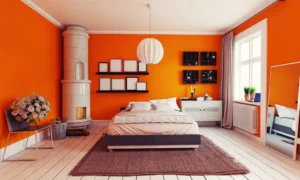
Modern living comes with limited space, busy schedules, and a constant need for order. Functional decor bridges the gap between beauty and practicality, turning everyday spaces into efficient, stress-free environments. Instead of choosing between style and usefulness, functional decor blends both, making homes easier to manage and more enjoyable to live in.
What Is Functional Decor?
Functional decor refers to design elements that serve a practical purpose while enhancing aesthetics. These pieces are intentional, thoughtfully designed, and often solve common household challenges such as clutter, lack of storage, or poor space utilization.
Rather than decorative items that only look good, functional decor earns its place by contributing to daily life in meaningful ways.
Why Functional Decor Matters in Everyday Living
A well-designed space directly affects how you feel and function throughout the day. Functional decor reduces friction in your routine by ensuring everything has a purpose and a place.
Key benefits include:
-
Less clutter, leading to mental clarity
-
Improved organization, saving time and energy
-
Better use of space, especially in smaller homes
-
Enhanced comfort, without sacrificing style
How Functional Decor Simplifies Daily Routines
Reduces Decision Fatigue
When your home is organized and intuitive, you spend less time searching for items or deciding where things belong. Functional decor supports habit-friendly layouts, making daily tasks smoother and faster.
Maximizes Small Spaces
In apartments or compact homes, every square foot matters. Functional decor introduces multi-purpose solutions that eliminate the need for excess furniture.
Examples include:
-
Ottomans with hidden storage
-
Wall-mounted desks that fold away
-
Beds with built-in drawers
-
Dining tables that double as workspaces
Encourages Minimalism Without Sacrifice
Functional decor naturally supports a minimalist lifestyle by promoting quality over quantity. Each piece justifies its presence, reducing unnecessary purchases and visual noise while still maintaining warmth and character.
Popular Types of Functional Decor
Multi-Purpose Furniture
Furniture that serves more than one role is at the heart of functional decor. These designs are ideal for modern living where flexibility is essential.
Common examples:
-
Sofa beds for guests
-
Nesting tables for adaptable layouts
-
Storage benches in entryways
Smart Storage Solutions
Hidden or integrated storage keeps essentials accessible without cluttering the space.
Effective storage decor includes:
-
Floating shelves
-
Built-in cabinets
-
Decorative baskets and bins
-
Under-bed storage systems
Functional Lighting
Lighting does more than illuminate a room. Adjustable and task-oriented lighting enhances productivity, comfort, and mood.
Functional lighting ideas:
-
Desk lamps with adjustable arms
-
Wall sconces with dimmers
-
Under-cabinet kitchen lighting
How Functional Decor Enhances Mental Well-Being
A thoughtfully designed home reduces stress by creating a sense of control and calm. Functional decor supports mental clarity by minimizing chaos and visual overload. When your environment works with you instead of against you, it becomes easier to relax and focus.
Research consistently shows that organized spaces contribute to:
-
Lower stress levels
-
Improved concentration
-
Better sleep quality
-
Increased overall satisfaction at home
Tips for Choosing the Right Functional Decor
Before buying new decor, consider how it fits into your lifestyle rather than how it looks alone.
Keep these principles in mind:
-
Prioritize purpose before aesthetics
-
Choose durable, high-quality materials
-
Opt for neutral designs that adapt over time
-
Measure spaces carefully to avoid overcrowding
-
Invest in pieces that solve recurring problems
Functional Decor and Sustainable Living
Functional decor often aligns with sustainability by encouraging intentional consumption. Fewer, better-made items reduce waste and the need for constant replacements. Many functional decor pieces are also designed with eco-friendly materials and timeless aesthetics that resist short-lived trends.
This approach supports:
-
Reduced environmental impact
-
Longer product lifespans
-
Conscious buying habits
The Long-Term Value of Functional Decor
While functional decor may sometimes cost more upfront, it delivers lasting value. Pieces that adapt, store, or serve multiple roles reduce future spending and improve daily comfort. Over time, this creates a home that evolves with your needs rather than working against them.
Frequently Asked Questions (FAQ)
What is the main goal of functional decor?
The primary goal is to combine practicality with visual appeal, ensuring every item serves a purpose while enhancing the overall design.
Is functional decor suitable for large homes or only small spaces?
Functional decor works for homes of all sizes. In larger spaces, it improves organization and flow, while in smaller homes, it maximizes efficiency.
Can functional decor still look stylish?
Yes. Modern functional decor is designed to be both aesthetically pleasing and highly practical, often following clean, timeless design principles.
How do I start transitioning to functional decor?
Begin by identifying pain points in your home, such as clutter or unused furniture, and replace them with pieces that solve those issues.
Does functional decor support a minimalist lifestyle?
Absolutely. Functional decor naturally encourages minimalism by focusing on intentional, multi-use items rather than excess decoration.
Is functional decor more expensive than traditional decor?
Not always. While some items may have higher upfront costs, they often save money long-term by replacing multiple pieces or lasting longer.
Can functional decor improve productivity at home?
Yes. Organized, purpose-driven spaces reduce distractions and make it easier to focus, especially in home offices and study areas.