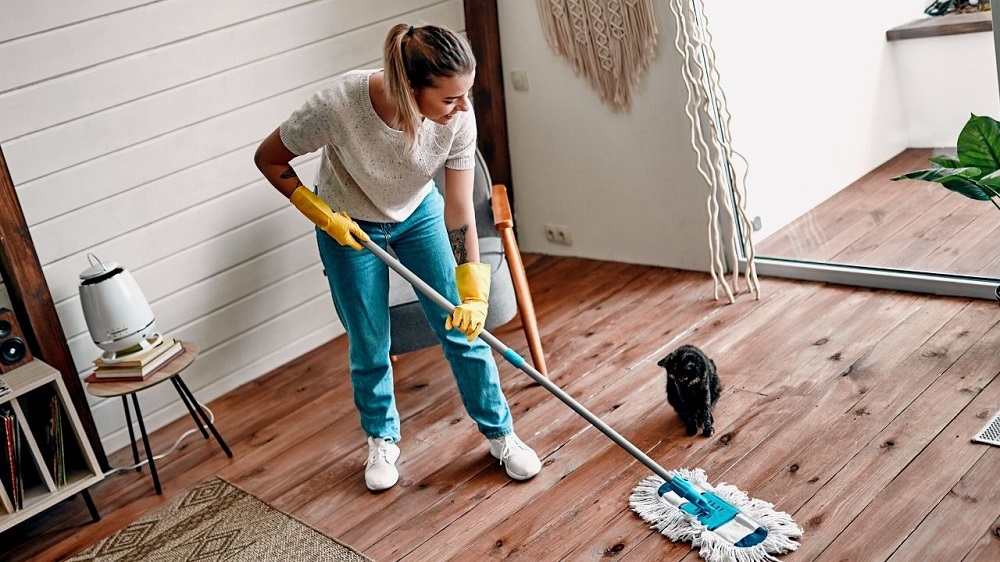
Maintaining a healthy home environment does not require hours of deep cleaning every day. Instead, simple daily habits can prevent dirt buildup, reduce allergens, improve air quality, and create a calm living space. Small, consistent actions often make the biggest difference in keeping a home hygienic and comfortable.
By building a few easy routines into your schedule, you can protect your health, reduce stress, and make weekly cleaning much easier.
Why Daily Cleaning Habits Matter for a Healthy Home
A clean home supports both physical and mental well-being. Dust accumulation, clutter, and hidden bacteria can affect breathing quality, increase illness risk, and create unnecessary stress.
Daily cleaning habits help:
- Reduce allergens such as dust and pet dander
- Prevent the spread of germs and bacteria
- Improve indoor air circulation
- Maintain organized living spaces
- Save time during weekly deep cleaning
Consistency is more important than intensity when it comes to maintaining a healthy environment.
Start the Day by Letting Fresh Air In
One of the easiest habits is simply opening windows for a few minutes each morning. Fresh air reduces indoor pollutants and moisture buildup.
Make it a routine to:
- Open windows for 10 to 15 minutes daily
- Allow sunlight into living spaces
- Improve airflow between rooms
Natural ventilation lowers humidity and discourages mold growth.
Make the Bed Every Morning
Making your bed immediately improves the appearance of your bedroom and sets a productive tone for the day.
Benefits include:
- Reducing dust accumulation on bedding
- Creating a calm and organized space
- Encouraging better nightly sleep routines
This small task takes less than two minutes but has a strong visual impact.
Wipe Frequently Used Surfaces Daily
High-touch surfaces collect germs quickly. Cleaning them daily prevents bacteria from spreading across the home.
Focus on:
- Kitchen counters
- Dining tables
- Bathroom sinks
- Door handles
- Switchboards
Use a microfiber cloth with mild cleaning solution to keep surfaces hygienic.
Follow the Two-Minute Decluttering Rule
If something takes less than two minutes to organize, do it immediately. This prevents clutter from accumulating throughout the house.
Examples include:
- Putting shoes back in their place
- Folding blankets after use
- Returning kitchen items after cooking
- Organizing work desks
This habit keeps living spaces neat without requiring extra effort later.
Clean the Kitchen Before Sleeping
A clean kitchen at night makes the next morning easier and prevents pest problems.
Before bedtime:
- Wash dishes or load them into the dishwasher
- Wipe kitchen counters
- Clean the stove surface
- Empty the sink
A fresh kitchen improves hygiene and saves time the next day.
Sweep High-Traffic Areas Quickly
Dust and dirt often collect in entryways and living areas first. A quick daily sweep helps maintain cleanliness.
Focus on:
- Entry doors
- Living rooms
- Kitchen floors
- Hallways
Even five minutes of sweeping can significantly improve indoor cleanliness.
Manage Household Waste Daily
Garbage buildup creates odors and attracts insects. Removing waste regularly helps maintain a healthy environment.
Make it a habit to:
- Empty kitchen trash every night
- Separate recyclable materials
- Clean the dustbin weekly
- Avoid storing wet waste indoors
Consistent waste management improves air quality and hygiene.
Keep Bathroom Surfaces Dry
Moisture in bathrooms encourages mold growth and bacteria formation.
Simple daily steps include:
- Wiping sinks after use
- Drying shower areas
- Hanging towels properly
- Keeping ventilation active
These habits help maintain a fresher and safer bathroom environment.
Change Towels and Dishcloths Frequently
Fabric items absorb moisture and bacteria quickly. Regular replacement keeps your home healthier.
Recommended routine:
- Change hand towels every two days
- Replace dishcloths daily
- Wash cleaning cloths separately from clothes
Fresh fabrics reduce microbial growth inside the home.
Maintain a Nightly Reset Routine
A short nighttime reset keeps your home organized for the next day.
Spend five minutes:
- Returning items to their places
- Clearing tables
- Preparing essentials for the morning
- Turning off unused appliances
This habit improves both cleanliness and daily efficiency.
Keep Cleaning Supplies Easily Accessible
Convenient storage encourages regular cleaning.
Store essential supplies such as:
- Microfiber cloths
- Surface cleaner
- Floor wipes
- Trash bags
When supplies are easy to reach, daily cleaning becomes effortless.
Build a Sustainable Cleaning Habit Schedule
Consistency is easier when tasks are distributed throughout the day.
Example routine:
Morning
Open windows and make the bed
Afternoon
Wipe surfaces and organize workspaces
Evening
Clean kitchen and remove waste
Night
Quick home reset routine
Following this pattern helps maintain cleanliness without overwhelming effort.
Frequently Asked Questions
How long should daily cleaning take in a typical home
Daily cleaning usually takes between 10 and 20 minutes when tasks are divided throughout the day.
What is the most important daily cleaning habit to maintain hygiene
Wiping frequently touched surfaces is one of the most effective habits for preventing germ spread.
Can daily cleaning reduce allergy symptoms indoors
Yes regular dust removal ventilation and fabric maintenance help reduce allergens such as dust mites and pollen.
Is it necessary to clean floors every day
High traffic areas benefit from daily sweeping while full floor cleaning can be done weekly.
How can busy households maintain cleaning consistency
Short routines morning and night along with shared responsibilities help maintain consistency.
How often should kitchen counters be disinfected
Kitchen counters should be wiped daily and disinfected after food preparation especially when handling raw ingredients.
Does daily decluttering improve mental well being
Yes organized spaces reduce stress improve focus and create a more comfortable living environment