Your roof is one of the most important structural components of your home. It protects everything beneath it from weather exposure, temperature fluctuations, and long-term structural damage. Unfortunately, many homeowners overlook early warning signs until small issues turn into costly repairs. Understanding the most common roofing problems and addressing them early can save money and extend the life of your roof significantly.
Missing or Damaged Shingles
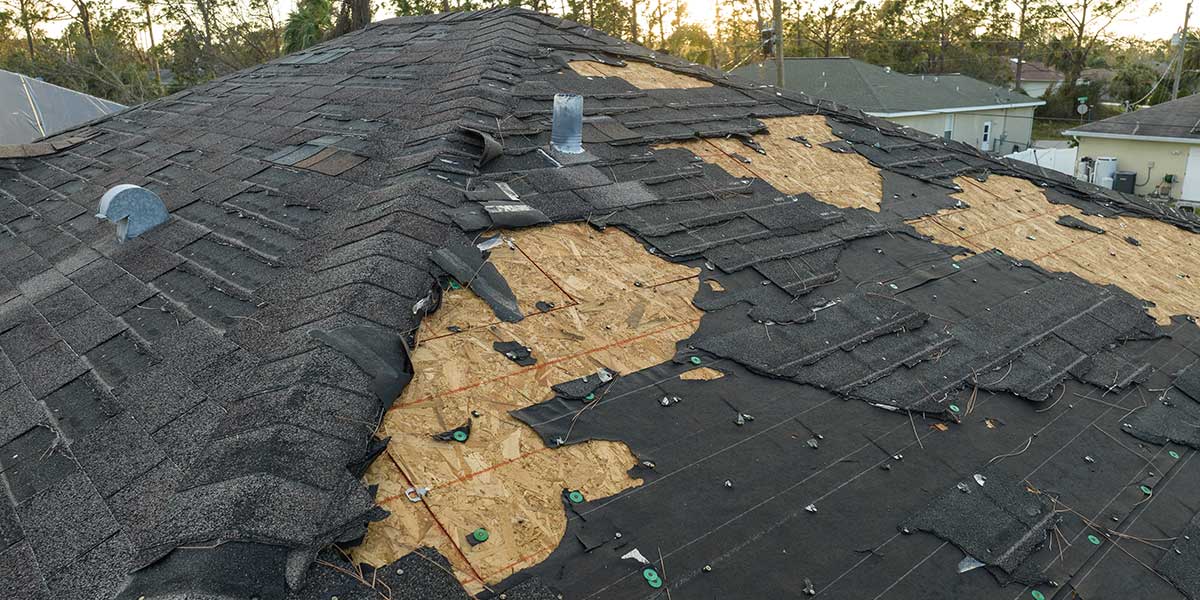
Shingles serve as the first line of defense against rain, wind, and sunlight. When they become cracked, curled, loose, or missing, your roof becomes vulnerable to leaks and structural deterioration.
Common causes include:
- Strong winds or storms
- Aging materials
- Improper installation
- Excessive sun exposure
Why this matters: Even a single missing shingle can allow water to penetrate the underlayment and decking, eventually causing interior damage.
What to watch for:
- Shingle granules collecting in gutters
- Uneven roof patches
- Exposed underlayment
- Dark spots or streaks
Prompt replacement prevents widespread deterioration.
Roof Leaks and Water Stains
Roof leaks often begin subtly but worsen quickly if ignored. Water intrusion weakens wooden framing, damages insulation, and encourages mold growth.
Common signs include:
- Brown stains on ceilings or walls
- Damp attic insulation
- Peeling paint near upper walls
- Musty odors indoors
Why immediate action is critical: Small leaks rarely stay small. Over time, they compromise structural stability and increase repair costs significantly.
Clogged or Damaged Gutters
Gutters play a vital role in directing rainwater away from your roof and foundation. When clogged or damaged, they allow water to accumulate along roof edges.
Potential consequences include:
- Fascia board rot
- Roof edge deterioration
- Foundation water pooling
- Basement moisture issues
Routine gutter cleaning helps maintain proper drainage and prevents long-term structural damage.
Flashing Failures Around Roof Penetrations
Flashing is installed around chimneys, skylights, and vents to seal vulnerable roof joints. When flashing becomes loose or corroded, water can easily seep inside.
Common warning signs:
- Rusted metal strips
- Cracked sealant lines
- Water stains near roof penetrations
- Loose flashing edges
Because flashing protects high-risk areas, ignoring these issues often leads to hidden water damage inside walls and ceilings.
Poor Roof Ventilation
Proper ventilation regulates attic temperature and moisture levels. Without it, trapped heat and humidity shorten the lifespan of roofing materials.
Signs of inadequate ventilation include:
- Excessive indoor heat during summer
- Condensation inside attic spaces
- Mold growth on rafters
- Ice dam formation in colder climates
Balanced airflow keeps roofing materials stable and prevents premature aging.
Sagging Roof Structure
A sagging roof is a serious structural warning sign that should never be ignored. It often indicates weakened decking, damaged supports, or prolonged moisture exposure.
Possible causes include:
- Long-term water infiltration
- Excessive roof weight
- Aging materials
- Poor original construction
If left unresolved, sagging can lead to partial or full roof failure.
Moss, Algae, and Mold Growth
Biological growth on roofing surfaces traps moisture and accelerates material deterioration. Moss is particularly damaging because it lifts shingles and allows water to seep underneath.
Early removal protects roofing materials and preserves their lifespan.
Indicators to monitor:
- Green patches across shingles
- Dark streaking patterns
- Moist areas that remain wet after rain
Routine inspection helps prevent long-term surface damage.
Damaged Roof Valleys
Roof valleys channel rainwater toward gutters. Because they handle high water flow, they are especially vulnerable to leaks and debris accumulation.
When valleys deteriorate, water can quickly enter underlying layers.
Warning signs include:
- Cracked valley shingles
- Loose flashing
- Debris buildup
- Visible moisture streaks
Keeping valleys clear and sealed helps maintain proper drainage performance.
Why Early Roof Repairs Matter
Ignoring minor roofing issues often leads to:
- Increased repair expenses
- Structural weakening
- Interior water damage
- Mold growth risks
- Reduced property value
Routine inspections and early maintenance ensure your roof continues protecting your home efficiently.
Frequently Asked Questions
How often should a homeowner inspect their roof?
A visual inspection twice per year is recommended, especially after heavy storms or seasonal transitions.
Can small roofing problems really become serious quickly?
Yes. Minor defects like loose shingles or flashing gaps can allow water intrusion that spreads unnoticed beneath roofing layers.
Is it safe to inspect a roof without professional help?
Ground-level inspections using binoculars are safe for homeowners. Climbing onto the roof should be left to trained professionals.
What is the average lifespan of residential roofing materials?
Asphalt shingles typically last between 20 and 30 years, while metal and tile roofing systems may last significantly longer with proper maintenance.
Do clogged gutters affect the roof itself?
Yes. Blocked gutters cause water backup that can damage roof edges, fascia boards, and underlying structures.
What weather conditions cause the most roof damage?
High winds, heavy rainfall, hailstorms, and prolonged heat exposure are the most common contributors to roofing deterioration.
When should a homeowner consider a full roof replacement instead of repairs?
Replacement becomes more practical when damage is widespread, repair costs continue increasing, or the roof approaches the end of its expected service life.