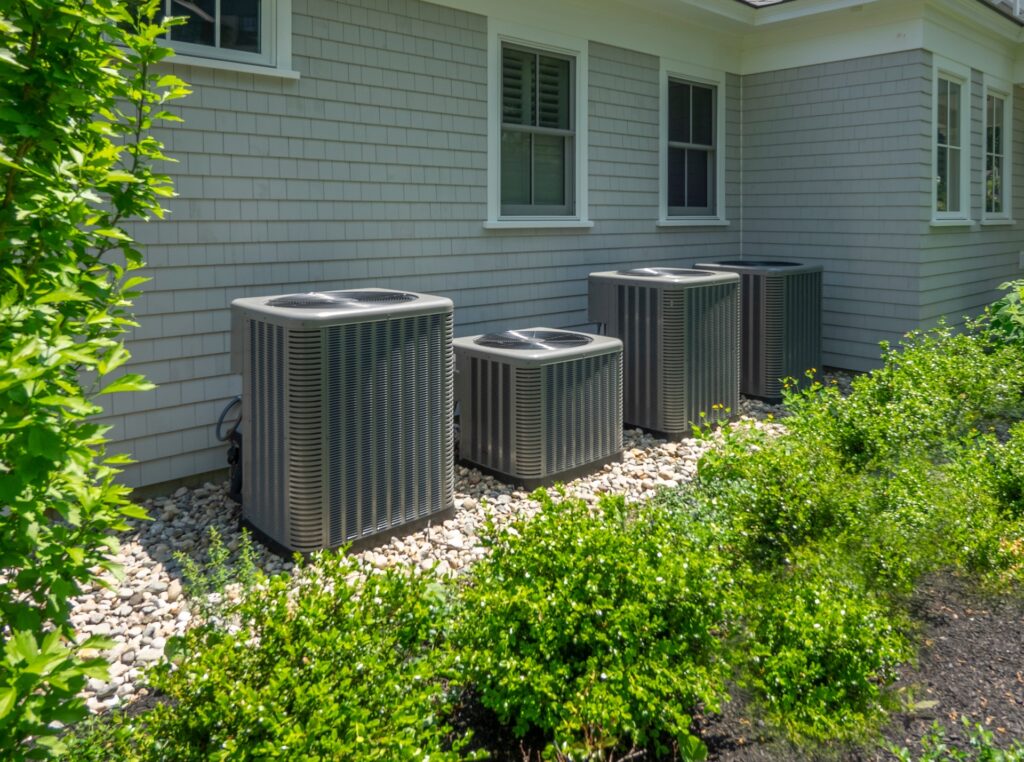
Sustainable homes are no longer a niche idea reserved for eco-enthusiasts. They are becoming a practical response to rising energy costs, climate concerns, and the demand for healthier living spaces. At the center of this transition lies HVAC systems—heating, ventilation, and air conditioning technologies that quietly shape comfort, efficiency, and environmental impact.
When designed thoughtfully, HVAC systems do more than regulate temperature. They actively reduce carbon emissions, lower energy consumption, and improve indoor air quality, making them a cornerstone of sustainable residential design.
Understanding HVAC in a Sustainability Context
HVAC systems account for a significant portion of household energy use. In many homes, they are the single largest energy consumer. Sustainability-focused HVAC design aims to balance thermal comfort, energy efficiency, and environmental responsibility without compromising daily living standards.
A sustainable HVAC approach considers:
-
How energy is generated and consumed
-
How efficiently air is distributed
-
How indoor environments affect occupant health
-
How systems adapt to changing climate conditions
Energy Efficiency as the Foundation of Sustainable Homes
One of the most important roles HVAC plays in sustainable housing is reducing energy demand. High-efficiency systems use less power to achieve the same or better comfort levels compared to conventional units.
Key efficiency-driven features include:
-
High Seasonal Energy Efficiency Ratio (SEER) ratings for cooling
-
High Annual Fuel Utilization Efficiency (AFUE) for heating
-
Variable-speed compressors and fans that adjust output based on demand
-
Smart thermostats that prevent unnecessary heating or cooling
Together, these features significantly cut electricity and fuel use, reducing both utility bills and greenhouse gas emissions.
HVAC and Renewable Energy Integration
Modern sustainable homes often pair HVAC systems with renewable energy sources. This integration allows homes to operate with minimal reliance on fossil fuels.
Common combinations include:
-
Heat pumps powered by solar panels
-
Geothermal HVAC systems using stable underground temperatures
-
Electrified HVAC setups that align with clean energy grids
Heat pumps, in particular, play a transformative role by providing heating and cooling using electricity rather than combustion, making them ideal for low-carbon homes.
Improving Indoor Air Quality for Healthier Living
Sustainability goes beyond energy savings. Indoor air quality (IAQ) is a crucial but often overlooked factor in green home design. HVAC systems directly influence the air residents breathe every day.
Sustainable HVAC solutions enhance IAQ by:
-
Filtering dust, allergens, and pollutants
-
Managing humidity to prevent mold growth
-
Ensuring consistent ventilation without heat loss
-
Reducing volatile organic compounds (VOCs) indoors
Healthier air contributes to better respiratory health, improved sleep quality, and overall well-being—benefits that extend far beyond environmental impact.
Smart HVAC Technology and Adaptive Control
Smart HVAC systems bring intelligence into sustainable homes. Sensors, automation, and data-driven controls ensure that energy is used only when and where it is needed.
Notable advantages include:
-
Learning occupant behavior to optimize temperature schedules
-
Remote control via mobile devices
-
Real-time energy monitoring
-
Integration with whole-home energy management systems
These systems reduce waste while maintaining comfort, aligning daily living patterns with sustainability goals.
Proper System Sizing and Design Matters
Even the most efficient HVAC equipment can underperform if improperly sized or installed. Oversized systems cycle too frequently, while undersized units struggle to maintain comfort, wasting energy in both cases.
Sustainable HVAC design prioritizes:
-
Accurate load calculations
-
Climate-specific equipment selection
-
High-quality ductwork with minimal air leakage
-
Thoughtful placement of vents and returns
This precision ensures long-term efficiency and system longevity.
Long-Term Environmental and Economic Benefits
Investing in sustainable HVAC systems offers both immediate and long-term rewards. Homeowners benefit from lower operating costs, while communities benefit from reduced environmental strain.
Long-term advantages include:
-
Lower lifetime energy expenses
-
Reduced maintenance and replacement needs
-
Higher property value
-
Smaller carbon footprint over decades of use
When multiplied across neighborhoods and cities, these benefits play a meaningful role in global sustainability efforts.
HVAC as a Cornerstone of Sustainable Housing
HVAC systems are no longer just comfort utilities. They are strategic tools in building homes that are efficient, healthy, and environmentally responsible. From energy efficiency and renewable integration to improved indoor air quality and smart automation, HVAC technology shapes how sustainable homes function today and evolve tomorrow.
Designing with HVAC sustainability in mind is not just a technical choice—it is a long-term commitment to smarter living.
Frequently Asked Questions (FAQs)
1. How does HVAC design affect a home’s overall sustainability rating?
HVAC efficiency heavily influences energy consumption, which is a core metric in sustainability certifications and green building standards.
2. Are heat pumps suitable for all climates?
Yes, modern heat pumps are designed to perform efficiently in both cold and hot climates, including regions with extreme temperatures.
3. Can older homes be upgraded with sustainable HVAC systems?
Absolutely. Retrofitting with high-efficiency HVAC units, improved insulation, and smart controls can significantly enhance sustainability in existing homes.
4. How often should sustainable HVAC systems be maintained?
Regular maintenance, typically once or twice a year, ensures optimal efficiency, air quality, and system lifespan.
5. Does better insulation reduce HVAC system requirements?
Yes, improved insulation lowers heating and cooling loads, allowing smaller, more efficient HVAC systems to meet comfort needs.
6. What role does ventilation play in energy-efficient homes?
Efficient ventilation systems balance fresh air intake with minimal energy loss, maintaining indoor air quality without increasing energy demand.
7. Are sustainable HVAC systems more expensive upfront?
While initial costs may be higher, long-term savings on energy bills and maintenance often outweigh the upfront investment.