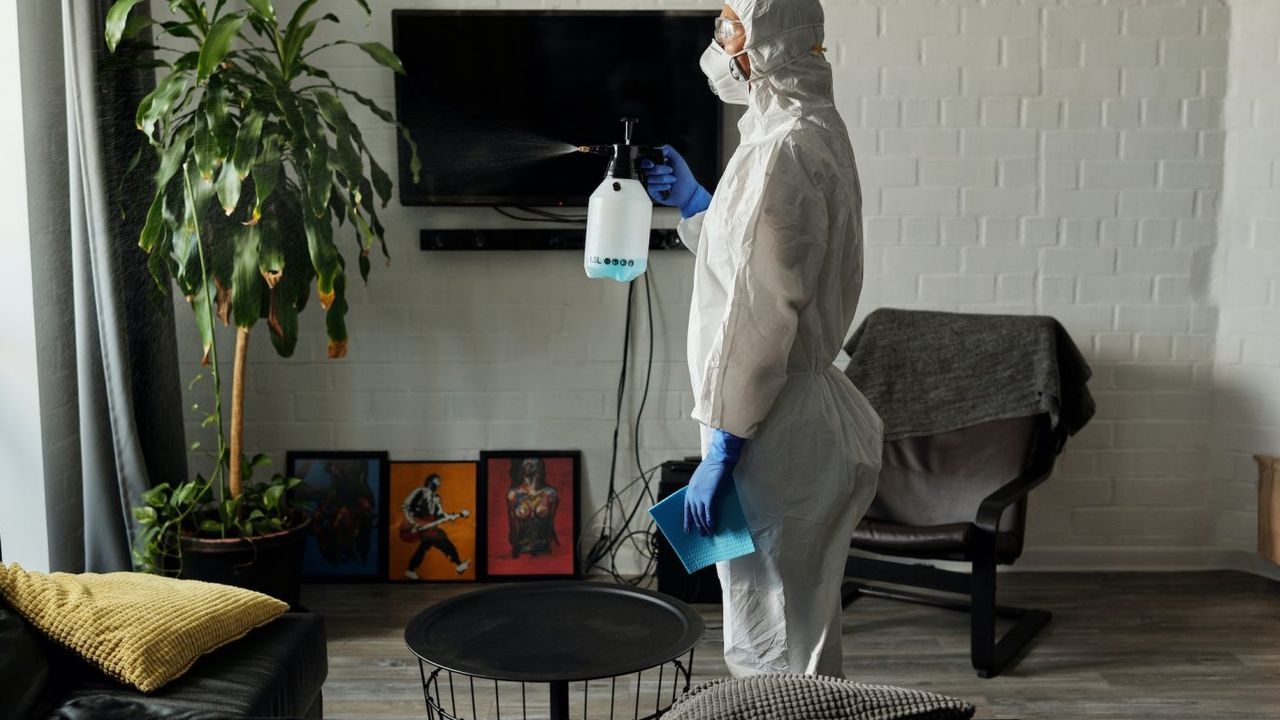
Maintaining a pest-free home requires consistent effort rather than occasional action. Insects and rodents are always searching for food, water, and shelter, making homes an attractive destination if preventive measures are overlooked. Fortunately, with regular maintenance and good household habits, homeowners can significantly reduce the risk of infestations throughout every season.
Instead of waiting until pests become visible, it is far more effective to adopt preventive practices that discourage them from entering in the first place. A combination of cleanliness, home maintenance, and routine inspections creates an environment that is less appealing to unwanted visitors.
Understand What Attracts Pests
Before preventing pests, it is important to understand why they enter homes.
The most common attractions include:
- Easily available food
- Standing water
- Warm shelter
- Cluttered storage areas
- Open garbage bins
- Cracks and gaps in walls
- Overgrown vegetation near the home
Removing these attractants makes your property much less inviting to insects and rodents.
Keep the Kitchen Spotless
The kitchen is one of the busiest areas in any home and often the first place pests target because it provides food and water.
To maintain a clean kitchen:
- Wipe countertops after cooking.
- Sweep and mop floors regularly.
- Wash dishes immediately after meals.
- Clean behind appliances.
- Store dry foods in airtight containers.
- Empty garbage bins daily.
- Avoid leaving pet food out overnight.
Simple daily cleaning routines can make a significant difference.
Store Food Safely
Improper food storage encourages ants, cockroaches, rodents, and pantry pests.
Best practices include:
- Keep cereals in sealed containers.
- Store flour and grains properly.
- Close snack packages tightly.
- Refrigerate perishable foods promptly.
- Inspect stored food regularly.
- Rotate pantry items before expiration.
These habits reduce food sources that attract pests.
Eliminate Moisture Problems
Water is essential for many pests to survive. Damp environments also encourage mold growth, which attracts certain insects.
Inspect your property for:
- Plumbing leaks
- Dripping faucets
- Roof damage
- Poor drainage
- Standing water
- Damp basements
- Clogged gutters
Fixing moisture issues promptly reduces the likelihood of infestations.
Seal Potential Entry Points
Even tiny openings allow pests to enter your home.
Areas that should be inspected include:
- Window frames
- Door thresholds
- Utility pipe openings
- Foundation cracks
- Roof vents
- Air conditioning lines
- Garage doors
Weather stripping, sealants, and door sweeps help block common entry routes.
Maintain Your Yard
Outdoor maintenance plays a major role in preventing pests from reaching your home.
Helpful landscaping practices include:
- Trim bushes away from walls.
- Cut grass regularly.
- Remove piles of leaves.
- Store firewood away from the house.
- Clean gutters frequently.
- Remove standing water.
- Dispose of yard waste properly.
A well-maintained yard creates fewer hiding places for pests.
Reduce Household Clutter
Clutter provides ideal nesting areas where pests can remain hidden.
Pay special attention to:
- Attics
- Basements
- Garages
- Closets
- Storage rooms
- Utility spaces
Organized storage makes it easier to inspect for warning signs and discourages pests from settling.
Watch for Early Warning Signs
Detecting pest activity early prevents small issues from becoming larger infestations.
Common warning signs include:
- Droppings
- Gnaw marks
- Mud tubes
- Damaged food packaging
- Shed insect skins
- Strange odors
- Nesting materials
Routine inspections help identify these problems before extensive damage occurs.
Seasonal Prevention Matters
Different pests become active at different times of the year.
Seasonal maintenance should include:
Spring
- Inspect for termite activity.
- Repair winter damage.
- Remove standing water.
Summer
- Keep trash containers sealed.
- Monitor outdoor eating areas.
- Control mosquito breeding sites.
Autumn
- Seal gaps around doors and windows.
- Trim trees near the roof.
- Clean gutters.
Winter
- Inspect attics and basements.
- Monitor for rodent activity.
- Repair insulation where needed.
Following seasonal routines keeps pest activity under control throughout the year.
Long-Term Benefits of Prevention
Preventive maintenance provides advantages beyond avoiding pests.
These include:
- Lower repair costs
- Improved indoor hygiene
- Better air quality
- Greater food safety
- Protection of valuable belongings
- Increased comfort
- Peace of mind
Consistent preventive habits often eliminate the need for more extensive treatments later.
Conclusion
A pest-free home is the result of regular care, attention, and preventive maintenance. By keeping your home clean, storing food properly, eliminating moisture, sealing entry points, maintaining your yard, and monitoring for early warning signs, you can greatly reduce the chances of an infestation. Seasonal maintenance further strengthens your home’s defenses against changing pest activity throughout the year. A proactive approach to pest control not only protects your property from damage but also creates a healthier, safer, and more comfortable environment for everyone in the household.