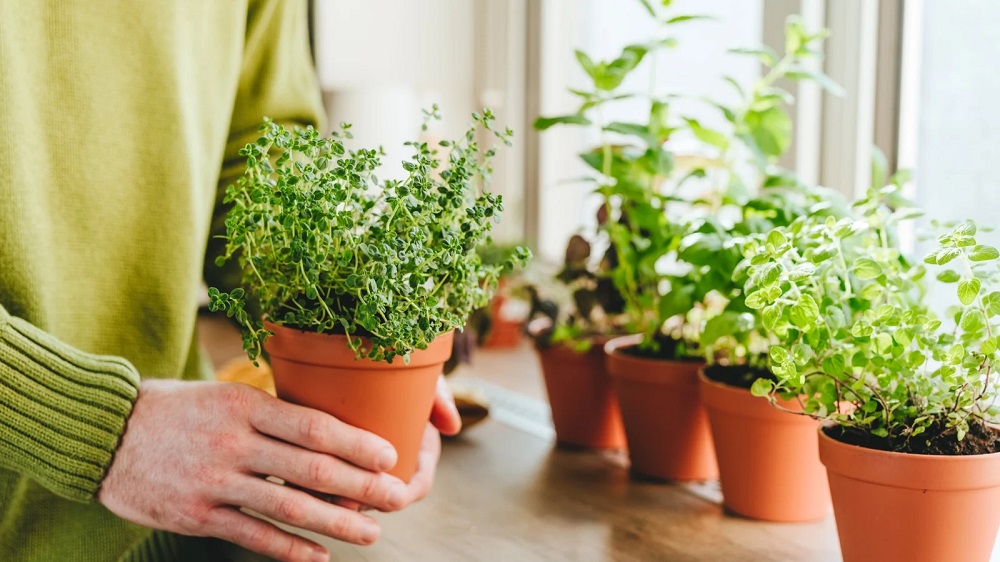
Growing herbs indoors without direct sunlight is not only possible but surprisingly practical. Many herbs naturally adapt to shaded environments or thrive under artificial lighting, making them ideal for apartments, offices, and low-light homes. With minimal setup and regular care, you can maintain a steady supply of fresh herbs throughout the year.
Below are reliable herbs that grow well indoors even when natural sunlight is limited, along with simple tips to keep them healthy and productive.
Why Some Herbs Grow Well Without Sunlight
Not all herbs depend heavily on direct sunlight. Several varieties naturally tolerate shade or perform well under indirect light or LED grow lights.
These herbs usually share the following traits:
- Adaptability to cooler indoor conditions
- Moderate watering needs
- Compact root systems suitable for containers
- Ability to thrive under artificial lighting
With proper placement near windows or under basic grow lights, these herbs remain flavorful and productive.
Best Herbs You Can Grow Indoors Without Sunlight
1. Mint
Mint is one of the easiest herbs to grow indoors. It adapts quickly to indirect lighting and grows vigorously in containers.
Key benefits:
- Thrives in partial shade
- Requires minimal maintenance
- Grows quickly with regular trimming
- Excellent for teas, drinks, and cooking
Keep the soil slightly moist and prune frequently to encourage fresh growth.
2. Parsley
Parsley performs well in low-light indoor spaces and stays productive with simple care.
Growing tips:
- Use well-drained soil
- Water consistently but avoid overwatering
- Place near a window if possible
Both curly parsley and flat-leaf parsley grow successfully indoors.
3. Chives
Chives are compact and ideal for kitchen counters or shelves with indirect light.
Why they work well indoors:
- Require little sunlight
- Regrow quickly after cutting
- Need minimal watering
- Add fresh flavor to everyday meals
Trim regularly to promote continuous growth.
4. Lemon Balm
Lemon balm has a pleasant citrus fragrance and tolerates low-light environments effectively.
Care suggestions:
- Keep soil lightly moist
- Avoid excessive watering
- Trim leaves often to control growth
This herb is especially popular for herbal teas and calming infusions.
5. Oregano
Oregano adapts well indoors when placed in bright indirect light or under grow lamps.
Advantages:
- Compact and easy to maintain
- Drought tolerant once established
- Highly aromatic for cooking
Ensure proper drainage to prevent root rot.
Additional Herbs That Grow Well Without Direct Sunlight
These herbs also perform well indoors:
- Thyme
- Cilantro
- Bay leaf plants
While they prefer some brightness, they can still thrive in indirect lighting conditions with proper care.
How to Grow Herbs Indoors Without Sunlight Successfully
Even low-light herbs benefit from thoughtful placement and routine care.
Follow these practical steps:
Use Artificial Grow Lights
LED grow lights simulate natural sunlight and improve leaf development. Position lights about 6 to 12 inches above plants.
Choose the Right Containers
Containers should include drainage holes to prevent water buildup and root damage.
Recommended container features:
- Lightweight material
- Breathable soil mix
- Stable base for indoor surfaces
Maintain Proper Watering Habits
Overwatering is the most common mistake with indoor herbs.
Helpful guideline:
Water only when the top inch of soil feels dry.
Provide Good Air Circulation
Fresh airflow reduces fungal problems and keeps herbs healthy. Avoid overcrowding containers.
Rotate Plants Occasionally
Rotating containers helps ensure even growth when light comes from one direction.
Best Places to Keep Indoor Herbs Without Sunlight
Strategic placement improves herb growth significantly.
Suitable indoor locations include:
- Kitchen countertops near windows
- Shelves with ambient lighting
- Dining areas with indirect daylight
- Work desks with LED grow lamps
Even small apartments can support a productive herb garden.
Common Mistakes to Avoid When Growing Herbs Indoors
Avoiding these mistakes helps herbs grow stronger and last longer:
- Using containers without drainage holes
- Overwatering the plants
- Placing herbs in completely dark areas
- Ignoring pruning requirements
- Using heavy garden soil instead of potting mix
Simple adjustments make a noticeable difference in plant health.
Benefits of Growing Herbs Indoors Without Sunlight
Indoor herb gardening offers several practical advantages:
- Fresh ingredients available year-round
- Reduced grocery expenses
- Improved indoor air quality
- Natural kitchen fragrance
- Convenient access while cooking
It is an efficient way to combine greenery with everyday functionality.
FAQ Section
Which herbs grow best indoors with very little light
Mint, parsley, chives, and lemon balm are among the most reliable herbs for low-light indoor environments.
Can herbs grow using only artificial light
Yes. LED grow lights can fully support herb growth when natural sunlight is unavailable.
How often should indoor herbs be watered
Most indoor herbs need watering when the top layer of soil becomes dry. Frequency depends on humidity and container size.
Do indoor herbs need fertilizer
Light fertilization once every few weeks helps maintain healthy growth, especially in containers.
Can herbs survive in windowless rooms
Yes, if supported by grow lights that provide consistent brightness for several hours daily.
What type of soil works best for indoor herbs
Loose, well-draining potting mix designed for container plants is ideal.
How long do indoor herb plants usually last
With proper care, many indoor herbs can remain productive for several months or even years.